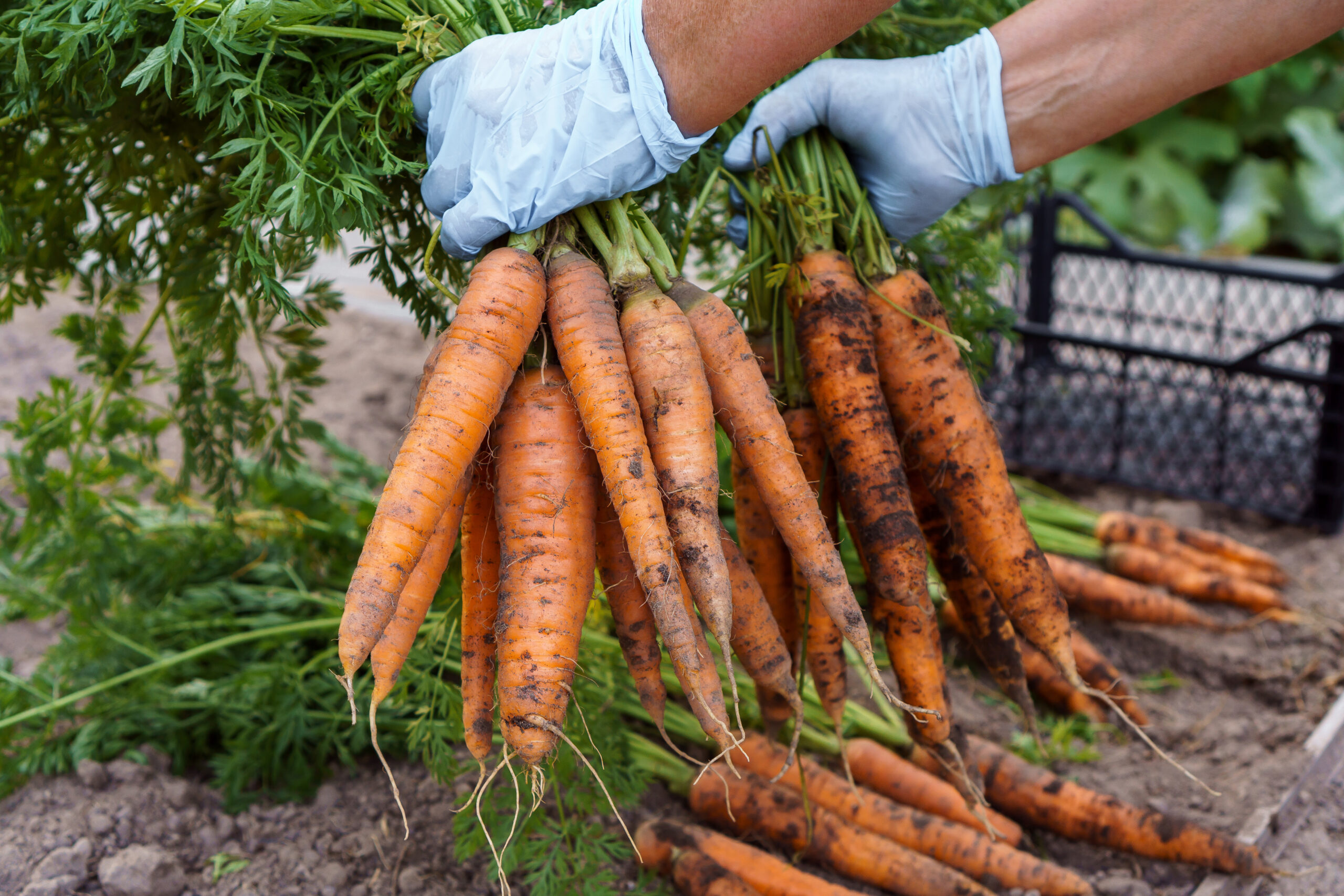
Growing carrots can be a rewarding experience for gardeners of all levels. Knowing when to harvest them is crucial for the best flavor and texture.
Carrots have specific signs that indicate they are ready to be picked. Recognizing these signs ensures you enjoy the freshest produce possible.
Timing your harvest correctly can also enhance the sweetness of your carrots. This is especially true if you harvest them after a light frost.
Understanding carrot growth stages helps in determining the perfect harvest time. This knowledge can lead to a more successful gardening experience.
In this guide, we’ll explore the key indicators that your carrots are ready to harvest.
When Are Carrots Ready to Harvest?
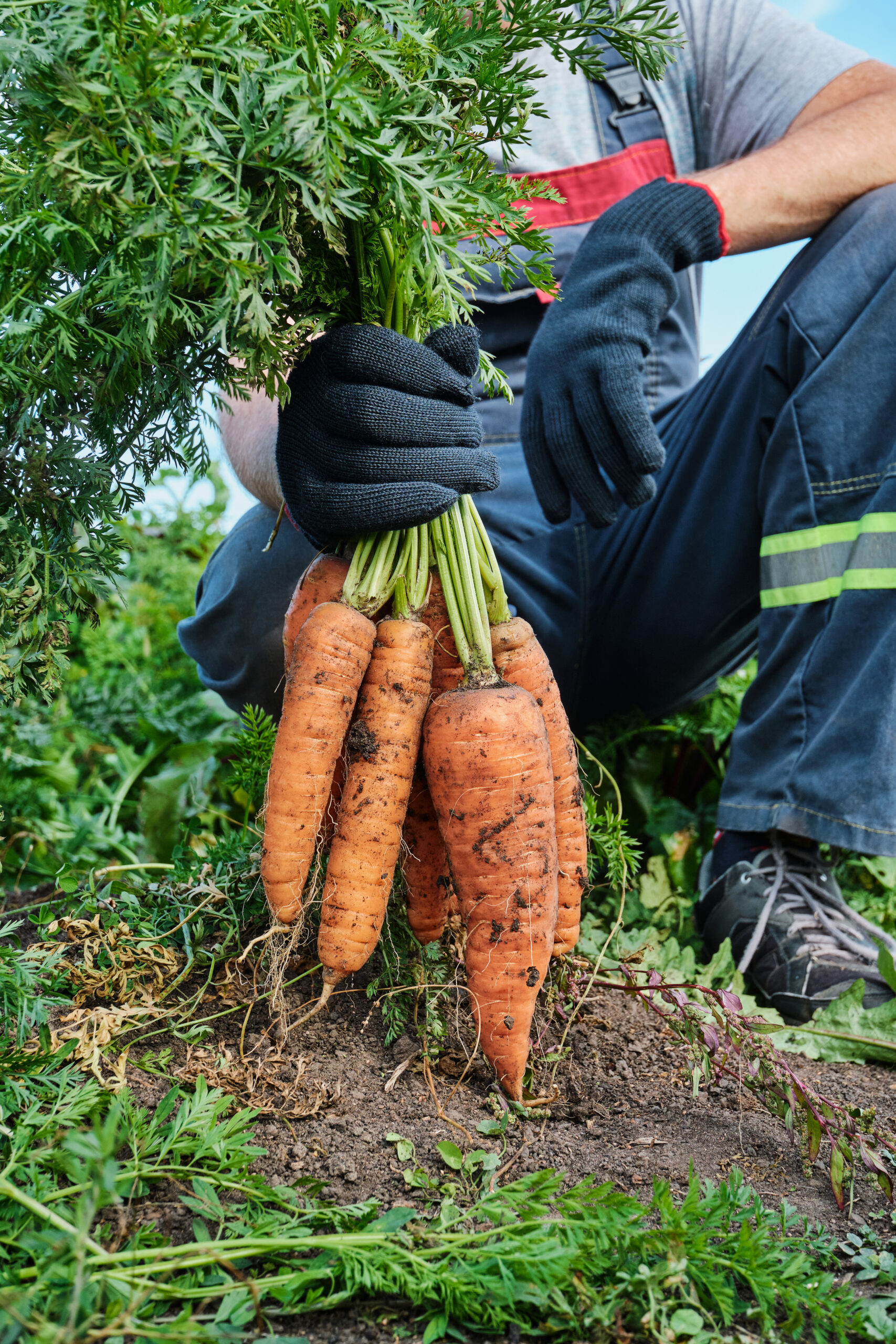
Carrots are typically ready to harvest when they’ve matured to their full potential. Generally, most carrot varieties take around 70 to 80 days from the time they’re planted until they mature. While this provides a general timeline, factors like weather and soil conditions can affect growth rates.
Several indicators can help you determine the best time to pick carrots from your garden. Look for carrots when their tops are vibrant green and the shoulders are visible. Proper visual inspection can signal when to harvest carrots for optimal taste and texture.
Here are a few key markers to watch for:
- Bright, healthy green tops
- Carrot shoulders peeking above the soil
- Consistent color with the carrot variety
Remember, knowing when to harvest carrots depends not only on time but also on these physical signs. They ensure your carrots are at their prime when pulled from the earth.
5 Signs Your Carrots Are Ready to Pick
Knowing when carrots are ready to harvest ensures the best flavor and texture. There are a few signs to watch for as they mature.
Here’s how to know when to harvest carrots:
- They are near their expected days to maturity.
- The carrot shoulder has reached the expected size.
- You can see or feel the shoulder at the soil line.
- The tops are well developed.
- A test pull shows a well-developed root.
1. They’re Near Their Expected Days to Maturity
Carrots usually mature within 70 to 80 days. This timeframe can vary based on the variety and growing conditions. Check the seed packet for specific maturity dates if you’re uncertain when carrots are ready to harvest.
Tracking the days from planting helps forecast when to pick carrots. Along with the maturity timeline, consider other visual and physical signs.
To help you:
- Mark the planting date on your calendar.
- Note the expected maturity period.
- Monitor the carrots as they approach this timeframe.
2. The Carrot Shoulder Has Reached the Expected Size
A key indicator is the carrot shoulder reaching its full size. Generally, it should be about 1/2 to 1 inch in diameter. This is often the best time to pick carrots for size and flavor.
Feel the soil surface to measure the shoulder’s size if it’s not clearly visible. For the best results:
- Check for diameter around 1/2 inch.
- Look for shoulders peeking through the soil.
- Ensure it’s consistent with expectations for your carrot variety.
3. You Can See or Feel the Shoulder at the Soil Line
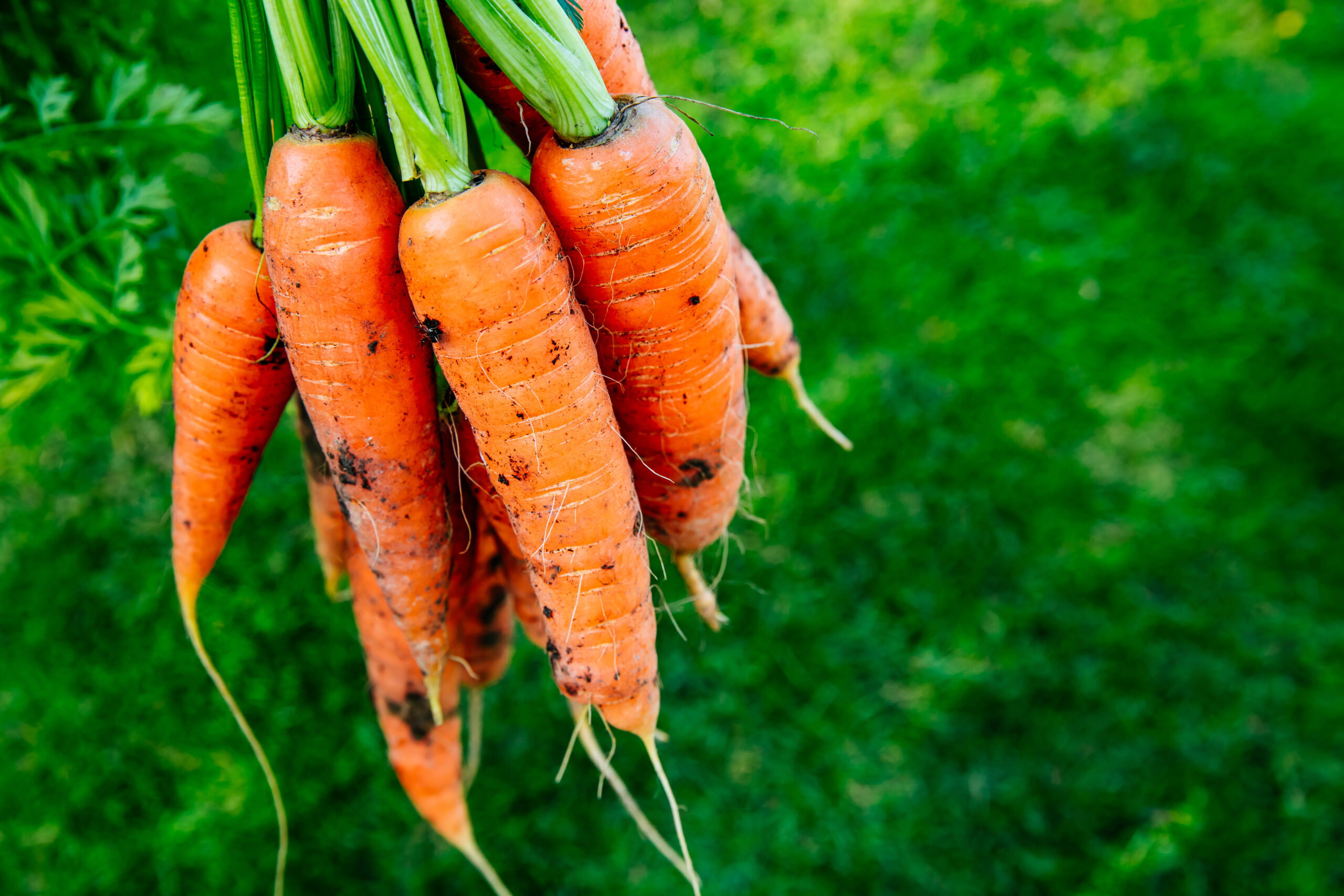
Visible or tactile detection of the shoulder indicates readiness. As the carrots mature, their shoulders often protrude slightly above the soil. This makes it easy to check when to harvest carrots without disturbing the plant.
Use your fingers to gently brush away soil near the top to feel for the shoulder. Key points to consider:
- Look for visible shoulders above the soil.
- Gently uncover soil to feel the size.
- Confirm they meet size expectations.
4. The Tops Are Well Developed
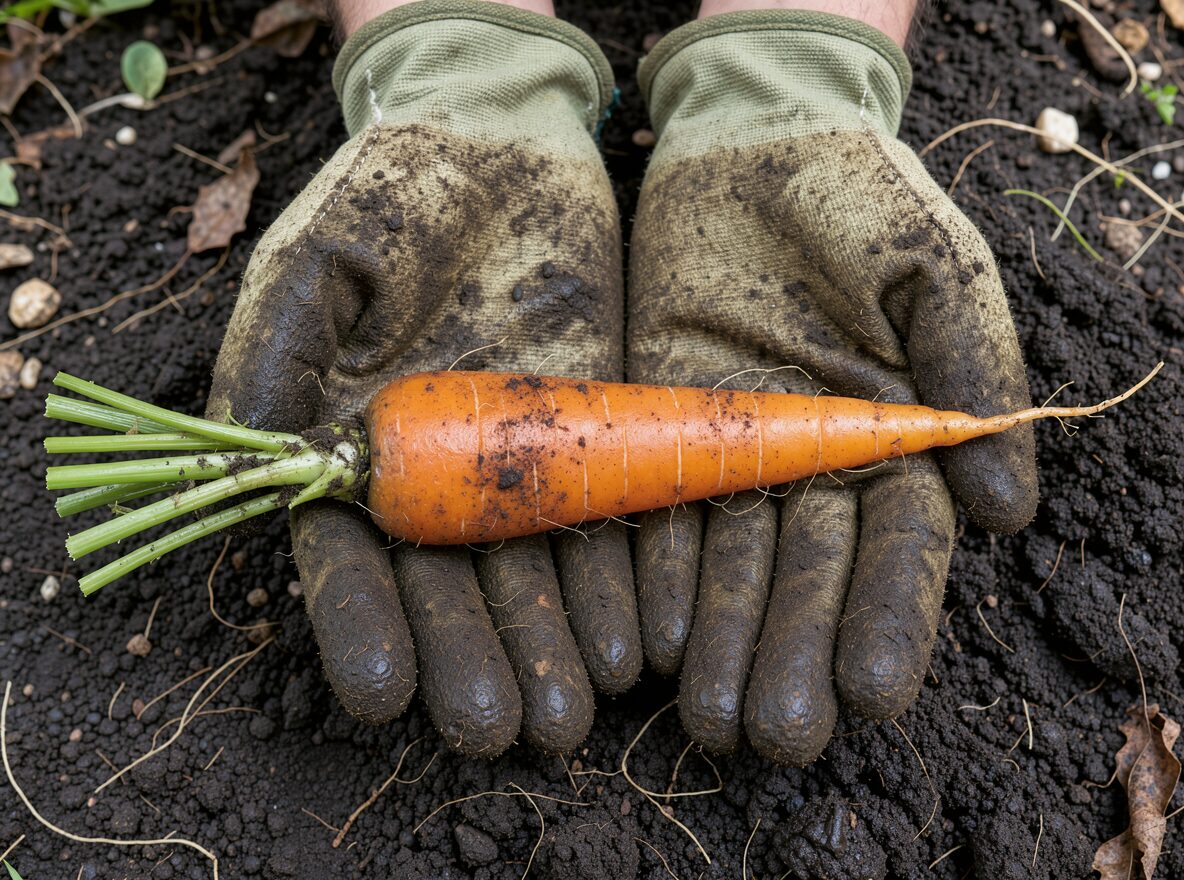
Healthy, vibrant tops are a sign of carrot readiness. When to harvest carrot tops is crucial as they should be bright green, indicating good health. Shriveling or discoloration can suggest the carrot has passed its peak.
If the tops are flourishing, it suggests the carrot itself is mature. Signs to assess:
- Tops should be lush and green.
- Avoid harvesting if tops look dry or damaged.
- Flourishing tops indicate a healthy root.
5. A Test Pull Shows a Well-Developed Root
Sometimes a test pull is the best way to ensure carrots are ready. Gently lift one carrot to examine its size and development. If the test carrot is full-sized and firm, your crop is likely ready to harvest.
Choose one or two carrots from different spots in your garden for testing. Here’s what to look for:
- Firm, well-developed roots.
- Full-sized carrots align with expected diameter.
- Consistent color indicating variety readiness.
How Big Should Carrots Be When You Harvest Them?
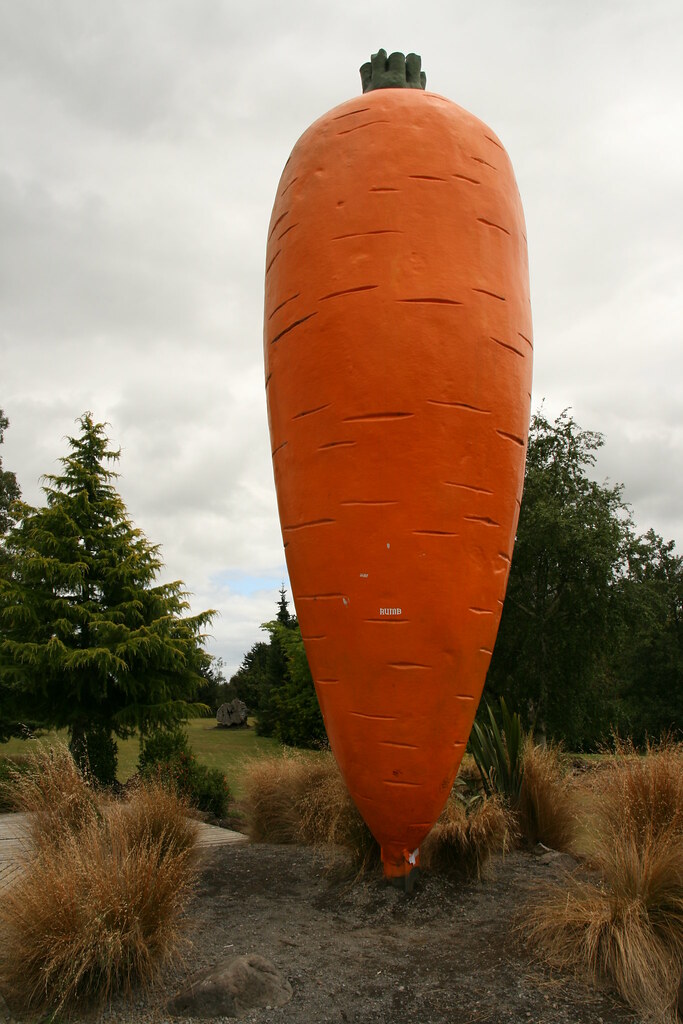
Determining the ideal size for harvesting carrots depends on personal preference and intended use. Generally, most gardeners prefer carrots with a diameter between 1/2 inch to 1 inch. This size offers a nice balance of sweetness and crunch.
Carrots can be harvested at various sizes to suit different culinary needs. Baby carrots are tender and sweet, while larger carrots can be more earthy and robust. Remember:
- Check diameter: 1/2 inch to 1 inch is typical.
- Baby carrots are sweet when smaller.
- Larger carrots can be bold in flavor.
How Long Do Carrots Take to Grow?
The time it takes for carrots to mature depends on the variety planted and growing conditions. On average, carrots take about 70 to 80 days from seed to harvest. However, some faster-growing varieties can be ready in less than 70 days, while others might take up to 90.
Conditions such as soil quality, temperature, and moisture levels can influence growth rates. It’s essential to consult the seed packet for the specific maturity timeframe of your chosen variety. Key considerations include:
- Typical growth: 70 to 80 days.
- Faster varieties: under 70 days.
- Check seed packet for exact timing.
Should You Harvest Carrots Before or After Frost?
Carrots can remain in the ground through light frosts, which may even enhance their sweetness. A slight chill prompts carrots to convert starches into sugars, resulting in a richer flavor.
However, it’s crucial to harvest them before the ground freezes solid. Frozen soil can make pulling difficult and may damage the roots.
Consider these factors when deciding harvest timing:
- Light frost improves taste.
- Harvest before the ground freezes.
- Chilled soil is tolerable, but avoid deep freezes.
Can You Harvest Carrots Too Early?
Harvesting carrots too early can lead to disappointment. The roots may be small and lack flavor if not matured properly.
Early harvesting might leave you with undeveloped carrots, which can be hard to use in cooking.
To avoid harvesting carrots too soon, keep these points in mind:
- Check maturity days.
- Feel for developed shoulders.
- Monitor for vibrant tops.
Can You Leave Carrots in the Ground Too Long?
Leaving carrots in the soil too long can affect quality. They can become tough and lose their sweet flavor.
Eventually, they might crack or split if left unharvested, especially after heavy rain or prolonged ground exposure.
Keep in mind these factors to avoid issues:
- Monitor for frost threats.
- Observe carrot firmness.
- Track the crop’s growth stages.
How to Harvest Carrots Without Breaking Them
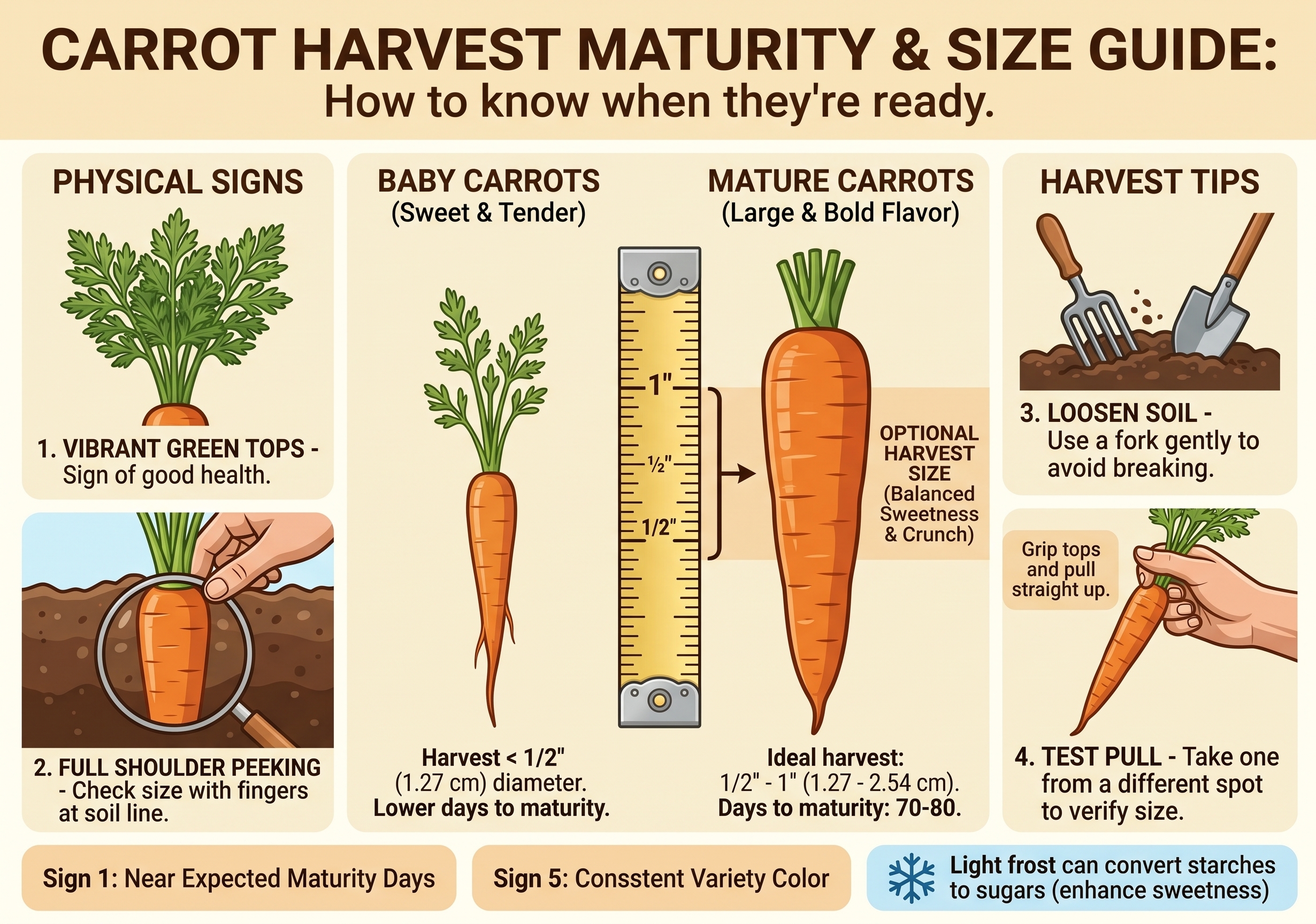
Harvesting carrots demands care to avoid breaking them. Start by loosening the soil around the roots.
Use a garden fork or spade to gently lift the soil. Doing this will keep the carrots intact and make it easier to pull them out.
Loosen the Soil
Loosening the soil is crucial for easy carrot harvesting. It makes root extraction smooth and lessens damage.
To do this:
- Use a garden fork or spade.
- Insert the tool a few inches from the carrot tops.
- Gently lift to loosen the surrounding soil.
Pull the Carrots Carefully
After loosening the soil, pull carrots with care to prevent breakage. Grip the tops and pull straight up.
Avoid yanking to prevent the roots from snapping. A gradual approach ensures your carrots remain whole.
Remove the Greens
After harvesting, promptly remove the greens from the carrots. This step is crucial to preserve their freshness.
Leaving greens attached drains moisture from the roots. Instead, cut the tops close to the carrot, leaving about an inch.
How to Store Freshly Harvested Carrots
Proper storage keeps carrots fresh for months. Start by cleaning off excess dirt without washing them. Moisture promotes rot, so it’s best to store carrots dry.
Place them in a cool, dark, and humid environment. Ideal spaces include a refrigerator or a root cellar.
Here’s how to store them effectively:
- Trim the greens, leaving an inch of stem.
- Store carrots in perforated plastic bags.
- Arrange them in single layers to avoid bruising.